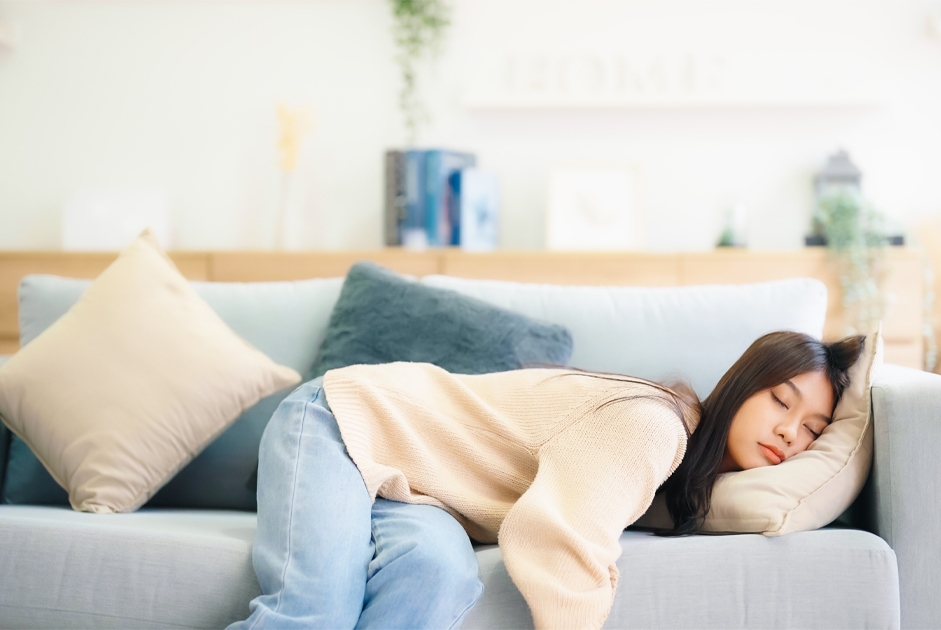
To nap or not to nap, that is the question.
A topic I’ve found to be polarizing is napping – some people love to nap, and others hate it. The question of whether to nap or not to nap still remains a bit of a mystery. Is napping a good way to rejuvenate in the middle of the day, or will it make you more tired? Even further, how long is the perfect nap; when you feel rested for the rest of the day yet are able to fall asleep at night?
Lucky enough for us, plenty of research has been done both supporting and against naps.
What’s the Sleep Cycle?
In order to understand why we feel the way we feel about napping, it is imperative to understand what goes into sleeping. Sleep is much more complicated than just closing our eyes and drifting off – there is actually a cycle with phases that align with what our brains and bodies are doing to rest.
Researchers have broken up the stages of sleep into REM (rapid eye movement) and non-REM categories.
REM sleep, or rapid eye movement, is when your eyes actually move behind your lids while you sleep while you dream. If you want to take a video of yourself sleeping and see your eyes move you can – be warned, it’s a little creepy!
Stage 1 non-REM is for a short amount of time, often just a few minutes, right after falling asleep. Stage 2 non-REM sleep is a deeper sleep, equating to around 45% of sleep. Stage 3 is the deepest non-REM sleep. If you ever wake up with mental fog and confusion, called sleep inertia, it’s likely you were in Stage 3 non-REM sleep since it is so deep.
Why You Should and Shouldn’t Take Naps
Both socially and culturally, napping is more common than you may think, with around ⅓ of adults napping daily. In Spain, a “siesta” is a term for the common midday nap in Spain. In Japan, an “inemuri” is the term for “napping while present,” often at work. It is actually a sign of working hard rather than laziness.
A 15-20 minute nap is what researchers recommend, as it would wake you up in Stage 3 non-REM sleep and prevent sleep inertia. Sleep researchers discourage naps after 3:00 p.m. as it may lead to not being able to sleep as well at night.
A consistent need to nap may be associated with underlying conditions such as diabetes, heart disease and depression. This is likely due to not getting enough sleep at night that may lead to those conditions developing.
It is difficult to say a hard and fast rule about napping when the research is so individualized. There are healthier ways to nap, such as keeping them to 20 minutes to avoid sleep inertia and refraining from napping late in the afternoon. After looking into both the science and individual anecdotes, it further proved how unique our bodies are in what they need to feel best.
So, to nap or not to nap? That may be the question, but I don’t have an overarching answer for everyone. Do what makes you feel like your healthiest self. If that includes napping, so be it!
my.clevelandclinic.org/health/body/12148-sleep-basics
thensf.org/the-benefits-of-napping/
health.harvard.edu/staying-healthy/is-your-daily-nap-doing-more-harm-than-good