Every generation grows up in a different world, shaped by the technology, trends, music, and chaos of their time. As a result, each age group develops its own personality, habits, slang, and stereotypes. Are all the stereotypes true? Of course not. But they are entertaining. Here’s a fun look at the generations that make up today’s world — and the quirks they’re famous for.
The Silent Generation (Born roughly 1928–1945)
The Silent Generation grew up during the Great Depression and World War II, which explains why they’re often known for resilience, discipline, and practicality. They tend to value hard work, good manners, and saving absolutely every plastic container “just in case.”
Stereotypical quirks? They can fix almost anything, still write checks at restaurants, and somehow know the exact price milk should cost. They also mastered the art of saying a lot with a single disappointed glance.
Baby Boomers (1946–1964)
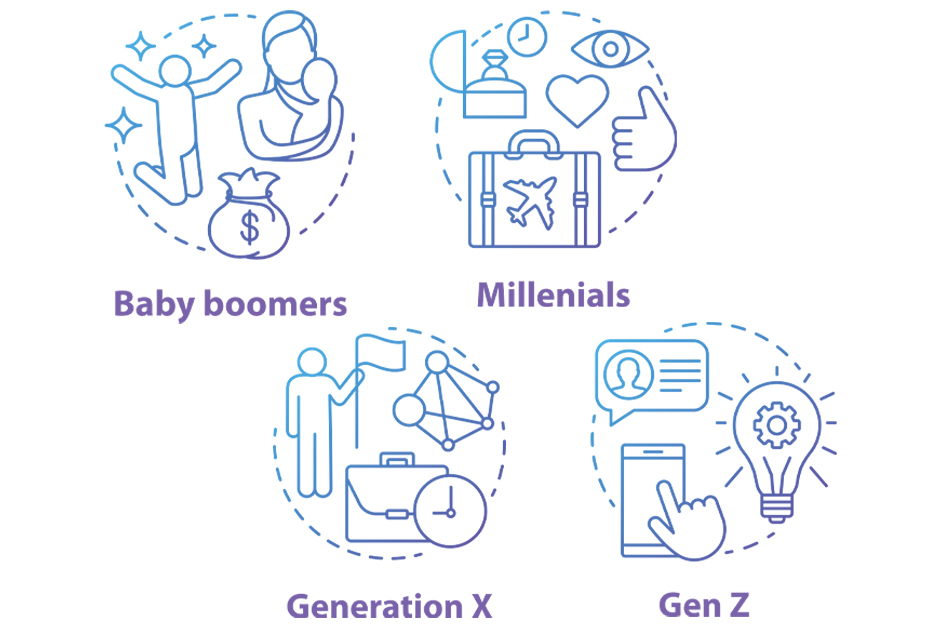
Boomers were raised during postwar prosperity and major cultural shifts like rock music, television, and the moon landing. They’re often associated with ambition, career-focused lifestyles, and the belief that you should “just walk in and ask for a job.”
Boomer stereotypes include loving phone calls more than texting, forwarding suspicious Facebook posts, and reminding everyone how much cheaper college used to be. They also have an unmatched ability to start stories with, “Back in my day…”
Generation X (1965–1980)
Gen X is often called the “middle child” generation. They grew up during the rise of cable TV, arcades, and mixtapes, and many were famously “latchkey kids” who came home to empty houses after school.
Their reputation? Independent, sarcastic, and low-maintenance. Gen X stereotypes include surviving on caffeine and cynicism, refusing to care about trends, and being weirdly proud of knowing how to program a VCR. They’re also the generation most likely to say, “Whatever,” and actually mean it.
Millennials / Generation Y (1981–1996)
Millennials came of age alongside the internet, smartphones, and social media. They witnessed the transition from floppy disks to streaming services and probably remember both dial-up internet and TikTok.
They’re known for valuing experiences over possessions, embracing “side hustles,” and turning hobbies into personality traits. Stereotypically, millennials survive on iced coffee, nostalgia, and group chats that never end. They also allegedly “ruined” everything from napkins to diamonds — at least according to headlines.
Millennials are perhaps best known for their love of avocado toast and saying things like, “I saw it on Pinterest.”
Generation Z (1997–2012)
Gen Z grew up fully online. For them, social media, memes, and instant information have always existed. They’re often described as digitally fluent, socially aware, and incredibly fast at detecting anything remotely “cringe.”
Their stereotypes include communicating almost entirely through memes, using slang no one over 30 understands, and having the attention span of a 15-second video. Gen Z also treats TikTok as both a search engine and a life coach.
At the same time, they’re known for being entrepreneurial, adaptable, and surprisingly good at editing videos.
Generation Alpha (2013–Present)
Generation Alpha is still young, but they’re already developing a reputation. These are the kids growing up with AI, tablets, smart homes, and voice assistants from birth. Many learned to swipe screens before they could tie their shoes.
The stereotypes? Tiny tech experts who can navigate apps better than adults, watch YouTube at lightning speed, and somehow skip every ad in under half a second. Gen Alpha kids are also known for saying brutally honest things in public at the worst possible moments.
No one knows exactly what Gen Alpha will become, but one thing is certain: they’ll probably explain future technology to the rest of us someday.
The Funny Truth About Generations
Every generation thinks the next one is strange, while secretly borrowing its trends anyway. Boomers joined Facebook late, millennials made nostalgia a lifestyle, Gen Z revived early-2000s fashion, and Gen Alpha may eventually convince us all to wear virtual reality goggles to grocery stores.
In the end, generations are less about strict labels and more about shared experiences. Still, the stereotypes are fun — especially when they’re just accurate enough to make everyone laugh.