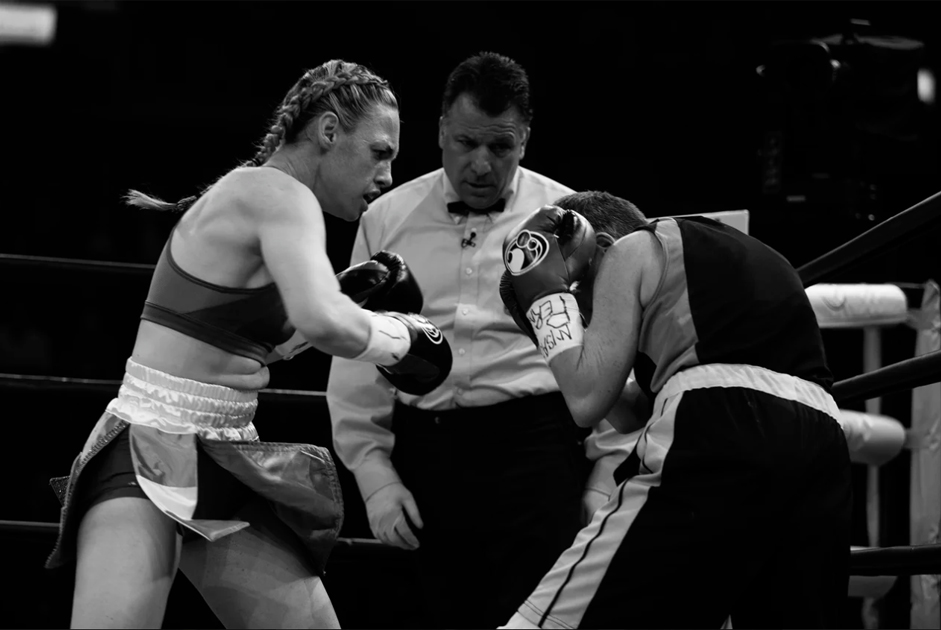

It seems for the past several years, politics has a way of seeping into every corner of our lives. It pops up in newsfeeds, family dinners and even casual conversations at the coffee shop or in texts between you and your BFF. This recently happened to me, and I wasn’t sure how to navigate my way through the maze of two strong women of different viewpoints, each believing we are right. So, can a friendship survive when you’re on opposite sides of the political aisle or issue? I’m so glad you asked, but the short answer is “yes,” but it requires respect, patience and a clear understanding of what truly matters in your relationship.
Remember Why You Are Friends
Think about how your friendship began. Was it shared classes, a business trip, work project, kids on the same soccer team or a random chat? Chances are, politics wasn’t what drew you together. Friendships are built on shared experiences, laughter and support during life’s highs and lows. When disagreements threaten to overshadow all of that, it helps to pause and remind yourself of the bigger picture – your friendship is more than a ballot box.
Respect Over Convincing
Here’s a secret – most of us aren’t going to change our friend’s political views, no matter how persuasive we think we are. The goal isn’t to convince but to respect. Respect sounds like this: “I see we disagree, but I value our friendship more than this argument.” It doesn’t mean you suddenly agree with their perspective; it means you’ve chosen to prioritize the person over the position.
Boundaries Protect Friendships
Some friends enjoy spirited debates. They can go back and forth for hours and then shake it off and get a pizza. Others? Not so much. If political talk feels like a fast track to frustration, set boundaries. You might agree to keep certain topics off the table or say, “this conversation is getting a little heated; let’s move on.” Boundaries aren’t about avoidance, they’re about protecting what you treasure most – your friendship.
The Power of Listening
Listening is a lost art, especially in politics. Too often, we listen to reply, not to understand. But, what if, instead, you approach your friend’s perspective with curiosity? Ask them why they feel the way they do. Often, personal stories or life experiences shape opinions far more than headlines do. Listening doesn’t mean you agree, but it does show your friend that you value their voice, even when you don’t share it.
Celebrate What You Share
It’s easy to let differences take center stage. But, healthy friendships thrive on common ground. Maybe you both adore the same Netflix series, share a love of working out or laugh endlessly at inside jokes no one else gets. Maybe you’ve walked through life’s hardest seasons together. Those bonds matter more than disagreements…focus on what connects you instead of magnifying what divides you.
Know When to Pause
Of course, not every friendship can weather deep political divides. If conversations leave you feeling disrespected, unheard or consistently angry, it may be time to step back. A pause doesn’t mean the friendship is over. Sometimes space allows emotions to cool and perspective to return. True friendships can endure silence and distance – they bend without breaking.
Choosing the Heart of Friendship
At the end of the day, politics is only one piece of a person’s identity. Your BFF isn’t just their vote or their opinion. They are the one who shows up when you’re sick, cheers when you succeed and laughs with you until your stomach hurts. If you can honor each other’s humanity above your differences, your friendship can absolutely survive and even grow stronger.
Because, in the end, being there for each other matters more than being on the same side of every issue.