
It’s common to be wary of aggressive bears or poisonous snakes and spiders while hiking or spending time in nature off the beaten path, but the lesser known safety hazards of insects and small rodents often go overlooked when talking about wilderness safety. This month, I researched the most common diseases spread by even the smallest wildlife in North America.
Because mosquitoes carry diseases like the West Nile virus or malaria, and deer ticks are capable of infecting humans with Lyme disease, most individuals are aware of the risks of insect-born illnesses that are often brought to light by news reports. In fact, celebrities like Justin Timberlake and Justin Bieber have spoken out about how Lyme disease has affected their lives, increasing awareness of checking your body for ticks after spending time outdoors. However, below are two insect or animal-borne illnesses that often fly under the radar – no pun intended.
Chagas Disease
Most commonly reported in Texas, New Mexico and Arizona, kissing bugs have been found in 29 states but are not household names across the country. Like mosquitoes, kissing bugs feed on blood from humans, dogs and other animals, but unlike ticks, they do not latch onto their hosts while feeding. What makes kissing bugs not so sweet is the parasite they carry that causes Chagas Disease, which 50% of kissing bugs are believed to be infected with according to a report from Texas A&M University.
What makes Chagas Disease unique is that the parasite that causes the disease is not found in the saliva of the kissing bug; instead, humans are infected with the disease after the kissing bug defecates after feeding, allowing the parasite-contaminated feces to infect the human through scratching a wound or contaminated hand-to-mouth or hand-to-eye contact.
During the acute phase of Chagas Disease, humans experience symptoms like fever, rashes, diarrhea, vomiting, fatigue and body aches. Only approximately one out of three individuals with Chagas Disease will continue into the chronic phase of the disease, which often takes years to develop and includes heart complications. While no vaccines exist, doctors can effectively identify and treat symptoms and complications from the disease.
To prevent contracting Chagas Disease, secure gaps and holes around your home to prevent the entry of kissing bugs, avoid leaving windows and doors open and keep the area surrounding your home clean from wood, animal nests and other debris that may entice animals from frequenting your yard, as small mammals are often hosts for kissing bugs. Additionally, leave lights off at night, as light attracts kissing bugs as well.
Hantavirus
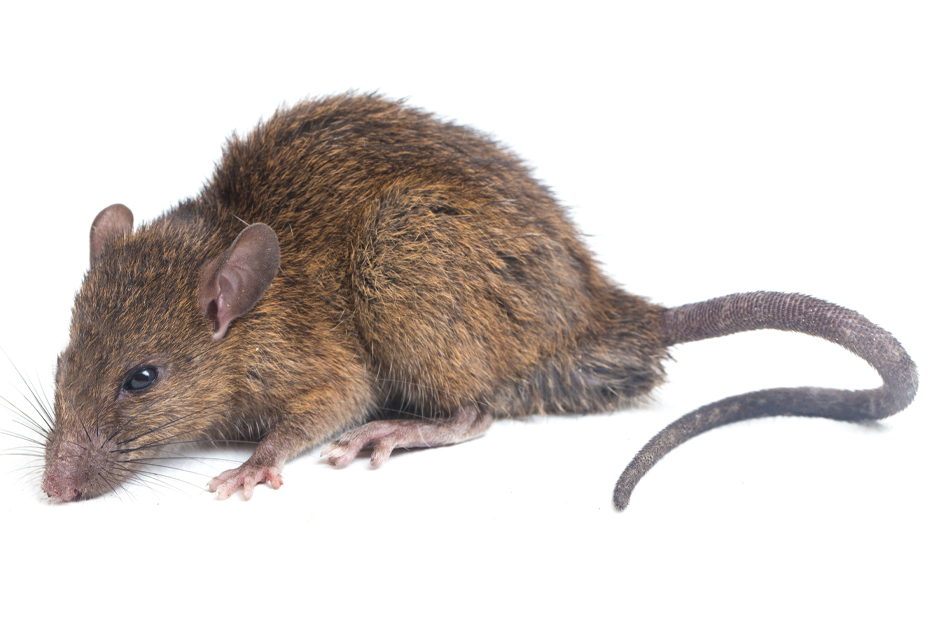
Rodents are the culprit of spreading Hantaviruses to humans, which cause hantavirus pulmonary syndrome (HRS) in North America, and less commonly cause hemorrhagic fever with renal syndrome (HFRS). Rats, moles and bats do not typically wreak hantavirus havoc through bites or scratches; interestingly enough, hantavirus is most often transmitted through aerosolization.
According to the CDC, humans encounter the virus by sweeping up or cleaning out rodent droppings or urine, which releases the virus into the air that is then breathed in by humans. Hantavirus pulmonary syndrome symptoms occur one to eight weeks after coming into contact with the virus and include muscle aches, fatigue, fever, digestive issues, dizziness and headaches. Later stage HRS symptoms include breathing difficulties, coughing and even fluid in the lungs, potentially causing death in 38% of patients who develop pulmonary symptoms. Renal manifestations of the disease in the United States are uncommon but are found more frequently in Europe and Asia.
It is important to ensure proper pest control protocols are in place to limit your exposure to rodents in your home. While camping, be sure to seal food and properly dispose of garbage to avoid attracting rodents to your campsite.