
It’s no secret that cats and dogs can provide therapeutic benefits to their owners and form strong bonds with their human counterparts along the way. Horses are also utilized to boost mental health through equine-assisted therapy. Whether you’re dealing with a mental health condition, chronic loneliness, grief or in search of a companion for an elderly loved one in your life, below are a few unconventional emotionally supportive animals that might surprise you.
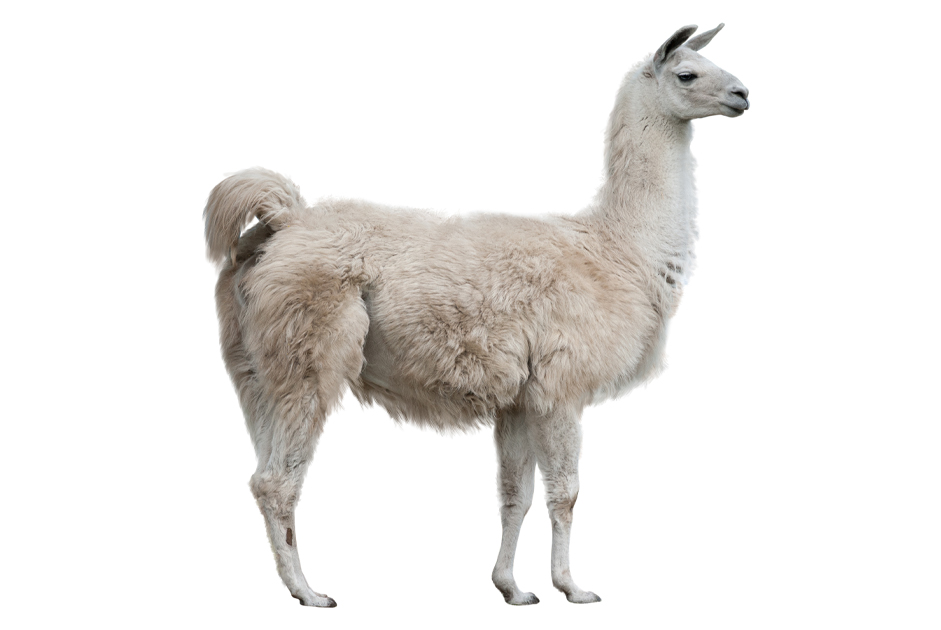
Llamas and Alpacas
I stumbled across a New York Times article from 2019 discussing llama-assisted therapy being utilized in nursing homes, and I was pleasantly surprised to see that the article featured an opinion by my former psychology professor Dr. Hal Herzog of Western Carolina University. Dr. Herzog didn’t seem too surprised by the usage of llamas and alpacas in providing emotional support, with patients and llama owners insisting that their llamas are attuned to emotions and can sense emotional distress or illness. These wooly mammals’ soft coats keep them cozy for patients, but not all llamas make the emotional support cut. Llamas must display positive attributes to be registered as an emotional support animal, such as calmness around human visitors and mild temperament, a low flight response (the llama is unlikely to run away or react aggressively due to a perceived threat) and the ability to be trained.
In fact, North Carolina is home to the Llamas of Hot Springs, a company promoting llama-assisted therapy. According to the Llamas of Hot Springs, the benefits of spending time with llamas include learning self-care skills through grooming llamas, improving memory and self-confidence through learning information about llamas throughout the therapeutic process and sharpening planning and problem-solving abilities through learning training skills in handing llamas. Can’t make it to Hot Springs, NC, but still curious about these wooly creatures? Take a day trip to Divine Llama Vineyards in East Bend to get a taste of just how entertaining and enriching llamas can be – and even more so after a glass or two of wine.
Parrots
After my llama article find, I also found an article discussing parrots as another great emotional support animal option. Hearing a bird confidently mimic the sounds and words of humans has always fascinated me. When parrots mimic spoken words, it’s almost impossible not to laugh – or at the very least, crack a smile. While birds have gotten a bad reputation through coined terms like “bird brain” to insinuate someone is lacking in the intelligence department, parrots are savvy and possess quirky personalities that perk owners up without the dander or slobber from a fluffy dog. Like llamas, parrots also possess the ability to attune to their owners’ emotions and be very loyal and entertaining additions to a household.
Parrots’ mimicking abilities can be attributed to their high intelligence; however, with high intelligence comes the need for excessive mental stimulation to keep these birds content. It would only make sense that parrots’ personalities would be just as striking as their colorful feathers. On the flip side, parrots are not widely recognized as valid emotional support animals; in other words, good luck sitting at Buffalo Wild Wings with a winged creature of your own perched on your shoulder without being questioned by the manager and potentially asked to leave without proper paperwork for registered emotional support animals.
Before you head to the pet store to find a parrot, it’s important to keep in mind the upkeep parrots require. They have specialized diets and cage-cleaning routines that are difficult for many adults to invest in providing long term, regardless of their parrot’s dazzling personality. Surprisingly, parrots can live for decades, meaning becoming emotionally attached to your ESA parrot is a safe bet. However, if you’re looking for a low-maintenance companion and don’t have a lot of time at home to spend doting on your pets, a parrot may be more costly in the care compartment than you can afford.