
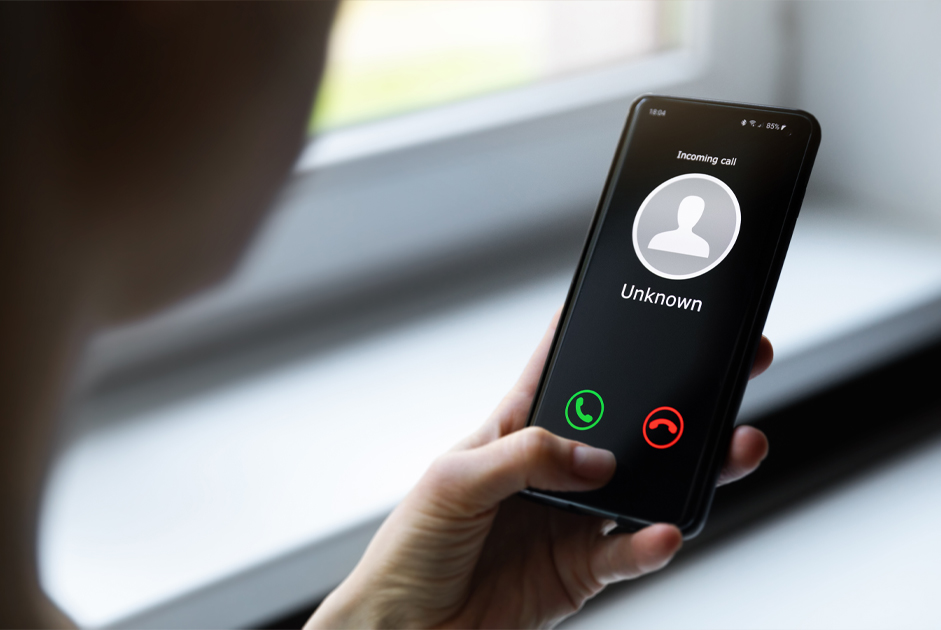
The phone rings. The number looks local. The voice on the other end sounds official, calm, often friendly. Within seconds, the caller has created an urgency that needs your attention; a compromised account, an unpaid bill, a loved one in trouble or a missed delivery.
This is how modern phone scammers operate. Their stores are carefully rehearsed, emotionally charged and designed to completely override logic before you have time to think and process what you are hearing.
Stories to Be Leary Of
Phone scammers rely on familiar narratives simply because they work.
“There’s a problem with your bank account.”
The caller claims suspicious activity and asks you to “verify” account numbers, passwords or one-time security codes.
“You are past due on an account.”
They threaten legal action unless immediate payment is made, perhaps via gifts cards, wire transfer or, in some instances, cryptocurrency.
“Your computer or phone has been hacked.”
Posing as tech support, they convince victims to install remote-access software, giving scammers full control of devices and personal data.
“A loved one is in trouble.”
One of the most devastating scams is when callers impersonate a grandchild, police officer or attorney and beg for fast cash to alleviate a troubling situation or arrest that your loved one finds themselves in.
“You’ve won a prize, but you have to pay a fee to receive it.”
Fake lottery or sweepstakes request upfront payments to “release” winnings that don’t exist.
Why Older Adults Are Often the Target of Scammers
Older adults are disproportionately the targets of phone scammers and not because they are careless or naive.
Many grew up in the era where phone calls were trusted by default, authority figures were rarely questioned and financial matters were handled verbally, not digitally.
Scammers exploit this trust, along with factors like social insulation, hearing difficulties or unfamiliarity with rapidly changing technology. According to consumer protection agencies, older victims also tend to lose larger sums because they often have savings, pensions or home equity.
This is exploitation, not embarrassment and should be seen as such.
Be Aware of the Red Flags
No matter the story, scams share common warning signs:
- Urgency: “Act now or else!”
- Secrecy: “Don’t tell anyone!”
- Unusual payment method: Gift cards, wire transfers, etc.
- Requests for codes or passwords: Legitimate institutions never ask.
- Caller ID spoofing: The number looks real but isn’t.
If any of these are present, pause. That pause is powerful and gives you time to think and consider the situation.
The Best Way to Deal with a Spam Call
The safest response is also the simplest:
Do Not Engage!
If you are unsure:
- Hang up first. Never remain on the line to “verify.”
- Independently verify. Call your bank, utility or agency using the number on the statement.
- Do not press buttons or say “yes.” Some scammers record responses.
- Block the number. Even though scammers rotate numbers, it still helps.
- Report the call. Use your phone carrier, state consumer office or national reporting tools.
What to Tell Older Loved Ones
If you have parents, grandparents or older neighbors, talk openly and often about scams. Reassure them of these truths:
- No real institution demands immediate payment by phone.
- It is okay and smart to simply hang up.
- Asking for help in these situations is a strength, not a failure.
Consider creating a simple rule together: Any call asking for money or account access requires a second opinion.
The Bottom Line
Scammers succeed by telling believable stories under pressure. The antidote is not fear, but clarity.
You do not owe anyone on the phone your time, your money or your personal information. When in doubt, hang up! Real help will still be there when you call back…on your own terms.