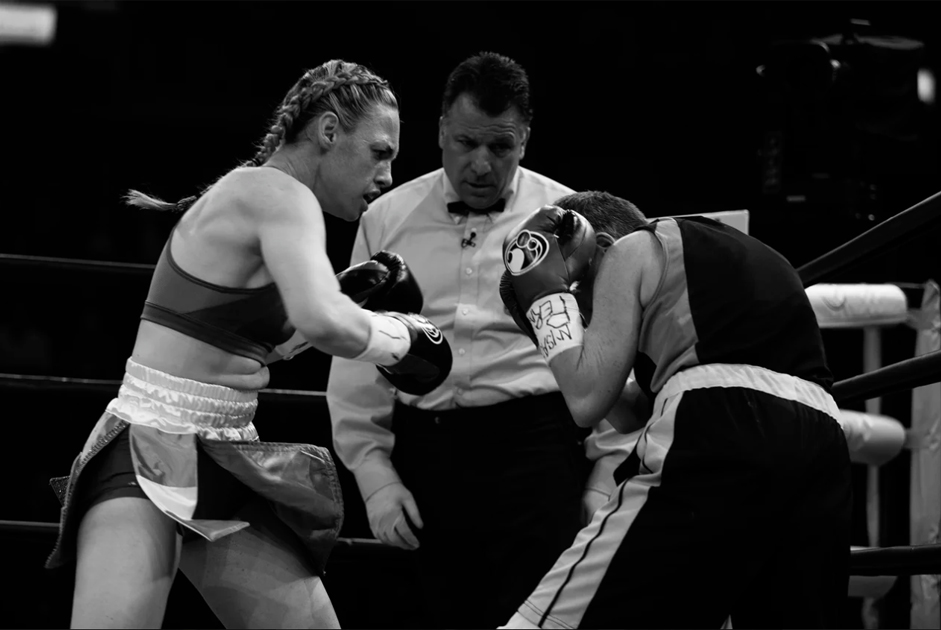

Recently, I had a chat with a friend who has a daughter in an abusive relationship. Time after time, her daughter continues to have the abuser arrested, eventually dropping charges and starting the cycle again. This has been going on for five years with no resolution. My BFF can’t comprehend why her daughter continues to accept physical, mental and verbal abuse. Rationally, it makes no sense. So, “why does an abused woman return to her abuser over and over, putting her life in danger each time?” I am so glad you asked.
Let’s Just Call It What It Is
Trauma – Bonding is one of those phrases that sounds clinical, but the experience is painfully personal. It’s what happens when your emotional safety becomes tied to someone who also causes you harm; sometimes intentionally, sometimes repeatedly. The bond forms not in spite of the pain but because of it.
When someone oscillates between warmth and withdrawal, affection and distance, your brain works overtime trying to restore balance. The connection starts to feel “earned.” And anything earned feels valuable, even if it costs you everything.
That’s not romance, but survival trying to pass as love.
If Love Feels Like Anxiety, That’s a Red Flag
Let’s gently bust a myth we were all sold at some point: Love isn’t supposed to feel like emotional roulette.
Yes, attraction can have a spark. Yes, relationships can have challenges, but if being with someone consistently makes you feel unsure of where you stand, afraid to speak up or responsible for managing their emotions, that’s not passion, that’s pressure.
Trauma-bonded relationships often feel “deep” because they activate old wounds. If chaos feels familiar, calm can feel suspicious. You may even find yourself thinking, “Why doesn’t this peaceful connection feel exciting?”
Because your nervous system hasn’t recalibrated yet. Peace takes practice.
What Role Does the Abused Play?
Many people who experience trauma-bonding are empathetic, loyal and emotionally intuitive. You see potential. You give grace. You stay longer than most. Those are strengths, until they’re used against you or turned inward as self-abandonment.
Often, trauma bonds tap into early lessons like:
- Love means proving your worth.
- Conflict is normal, resolution is rare.
- Being chosen requires endurance.
Why Does Leaving Feel Like Loss of Yourself?
Walking away from a trauma bond can feel worse than staying, at least at first. That’s the part for which no one is prepared.
The abused isn’t just leaving a person, they are also leaving the hope of who the person could be; if only the abuser felt loved more, there’d be a happy ending.
Grief is not evidence that the relationship was right. It’s evidence that the abused invested their heart.
Repeat this: Missing someone who hurt you doesn’t mean you should go back. It means you’re human and healing.
Never Rush Healing
There are steps for the healing process with trauma-bonded relationships:
- Create emotional safety on purpose with people who are predictable, kind and calm.
- Let your body catch up to your mind, meaning you may know it was unhealthy long before your body believes it.
- Stop romanticizing the bare minimum; consistency isn’t boring, it’s the foundation to build on. You shouldn’t have to earn kindness or clarity.
- Strength is not “staying;” strength is choosing yourself without needing permission.
Here’s the Important Part to Remember…
You are not behind.
You are not damaged.
You are not “too much” for wanting real love.
Trauma bonding ends when the abused stops confusing intensity with intimacy and chooses alignment over attachment.
One day, love will feel steady instead of sharp and painful, warm instead of consuming and safe instead of suspenseful.
And when that happens to the abused, she will look back not with regret, but with compassion for the version of herself who was just trying to be loved.