The statistics speak for themselves. According to the National Sexual Violence Resource Center (NSVRC), “more than 53% of women and more than 29% of men reported experiencing contact sexual violence.” Unfortunately, the person causing such harm is often someone they know. “Most women and men across all sexual identities who experienced contact sexual violence reported that the person who harmed them was someone they knew,” the center reports. Anyone can be the target of sexual assault, regardless of age, race, gender, ethnicity, sexual orientation, sexual history or social class. While knowing about such numbers does help increase our knowledge, so does knowing exactly what a sexual assault includes.
Sexual violence is an umbrella term that includes any type of unwanted sexual contact – including sexual assault, harassment and abuse. The NSVRC reports that a sexual assault includes the following: “rape or sexual assault, sexual harassment, sexual abuse, unwanted sexual contact/touching, sexual exploitation and trafficking, exposing one’s genitals or naked body to others without consent, nonconsensual image sharing and words and actions of a sexual nature against a person’s will and without their consent.”
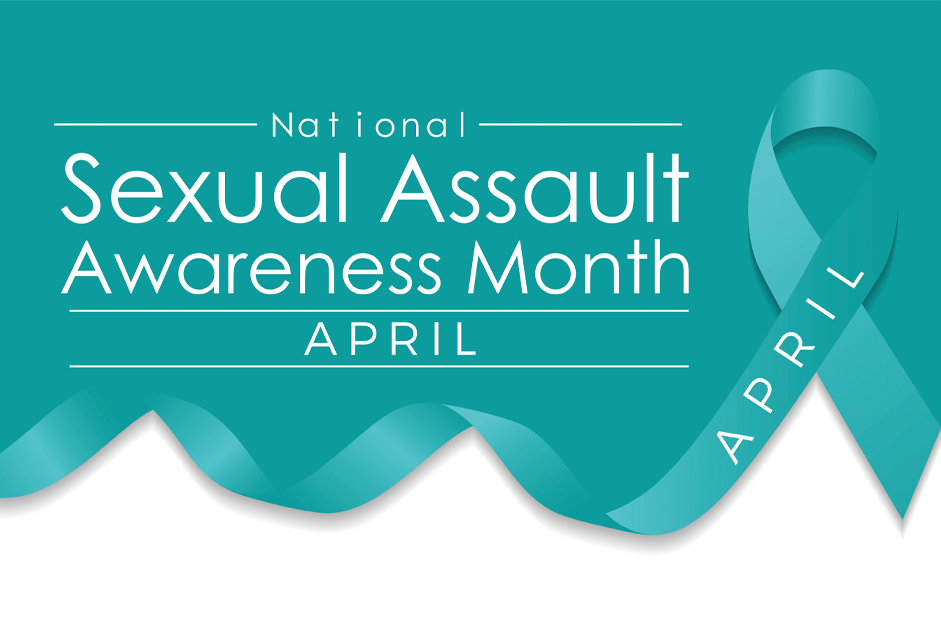
For the past 25 years, April has been a month dedicated to raising awareness on what exactly a “sexual assault” encompasses, as well as arming all with tips on how to prevent such violence. During Sexual Assault Awareness Month, we also reflect on 25 years of action and progress toward ending sexual assault, abuse and harassment. According to the National Sexual Violence resource center (NSVRC), the 2026 theme, “25 Years Strong: Looking Back, Moving Forward.” This “celebrates the resilience of survivors and the communities that have worked for change.”
This April, learn more about how you can take meaningful steps toward prevention. Read on for five tips on how you can protect yourself and those you care about from experiencing any type of sexual violence.
Prevention Tip #1: Be assertive. While there is not a stereotype for a sexual assault victim, sadly, passivity can make you an easy target for sexual predators. According to the UNC-Charlotte article, “Reduce the Risk of Becoming a Sexual Assault Victim,” if you are naturally a more passive person, it is vital to make sure you are assertive when in a dangerous situation. “Be direct and firm with someone who is sexually pressuring you,” the article encourages. “Tell an acquaintance or your partner what you want – or don’t want – and stick with your decision.” Remember, consent is needed on both sides in all instances of sexual activities.
Prevention Tip #2: Avoid potentially harmful situations. It is important to note that sexual assault can truly occur during any situation. However, it is important to try your best to not put yourself in situations that can quickly get out of control. First, make sure to travel in groups when going to social affairs and, if having alcohol, make sure you monitor your intake. Taking such precautions can reduce your risks of being victimized.
Prevention Tip #3: Trust your gut. If you feel like things are going in a negative direction with a friend, partner or acquaintance, trust your instincts. The article continues, “if you feel uncomfortable or threatened around an acquaintance or your partner, get out of the situation immediately.” It is much better to misread someone’s signals and explain this later than deal with becoming the victim of a sexual assault.
Prevention Tip #4: Always be aware of your surroundings. The world we live in today does not ensure that we are always safe. It is vital to remember this and be on guard. This includes staying in well-lit areas as much as possible, walking at a steady pace, avoiding doorways, bushes or alleyways, and being alert to others when in parking areas, especially close to your vehicle. If you think you are being followed, walk quickly to areas where there are people and lights. Finally, always lock your car and keep your car locked when you are away from it to keep someone from hiding and waiting inside. When you are inside the car, lock the doors for safety.
Prevention Tip #5: Do not be afraid to get physical. Unfortunately, sometimes clear verbal communication does not work, and you may find yourself needing to protect yourself. First, push the person away, scream “No!” or even “Fire!” If this instance is happening in a public place, it is vital to scream for help. Do not be afraid to kick or hit the predator in their vulnerable areas. Finally, if you choose to carry any type of weapon for self-protection, make sure you know how to quickly use it to avoid any chances it could be used against you. Finally, signing up for a self-defense class could surely give you an extra fighting chance.